
Introduction
Travel is often the first industry to feel the impact of geopolitical tensions — but the full picture is more nuanced than the headlines suggest. When conflict escalates in any region, the immediate reaction is often concern, cancellations, and rerouting. But the travel industry is remarkably resilient, and the Middle East — particularly the UAE — has demonstrated this resilience repeatedly.
In 2026, as tensions between Israel, the US, and Iran continue to generate global attention, the question many travelers, tourism workers, and hospitality professionals are asking is: what does this actually mean for travel in the Middle East?
Travel Industry Impact
The immediate effects of regional conflict on the travel industry are predictable:
- **Flight adjustments**: Airlines may reroute flights to avoid conflict-adjacent airspace, adding flight time and cost to certain routes.
- **Increased security**: Airports across the region have heightened security protocols, leading to longer processing times but also greater traveler confidence in safety measures.
- **Ticket price fluctuations**: Demand shifts can cause rapid price movements — some routes become cheaper as demand drops, while alternative routes become more expensive as capacity is rerouted.
- **Travel advisories**: Governments issue updated travel advisories for affected regions. Travelers should always check their home country's advisory before booking.
- **Insurance considerations**: Travel insurance policies may exclude conflict zones or add premiums for Middle Eastern coverage.
Tourism in the UAE
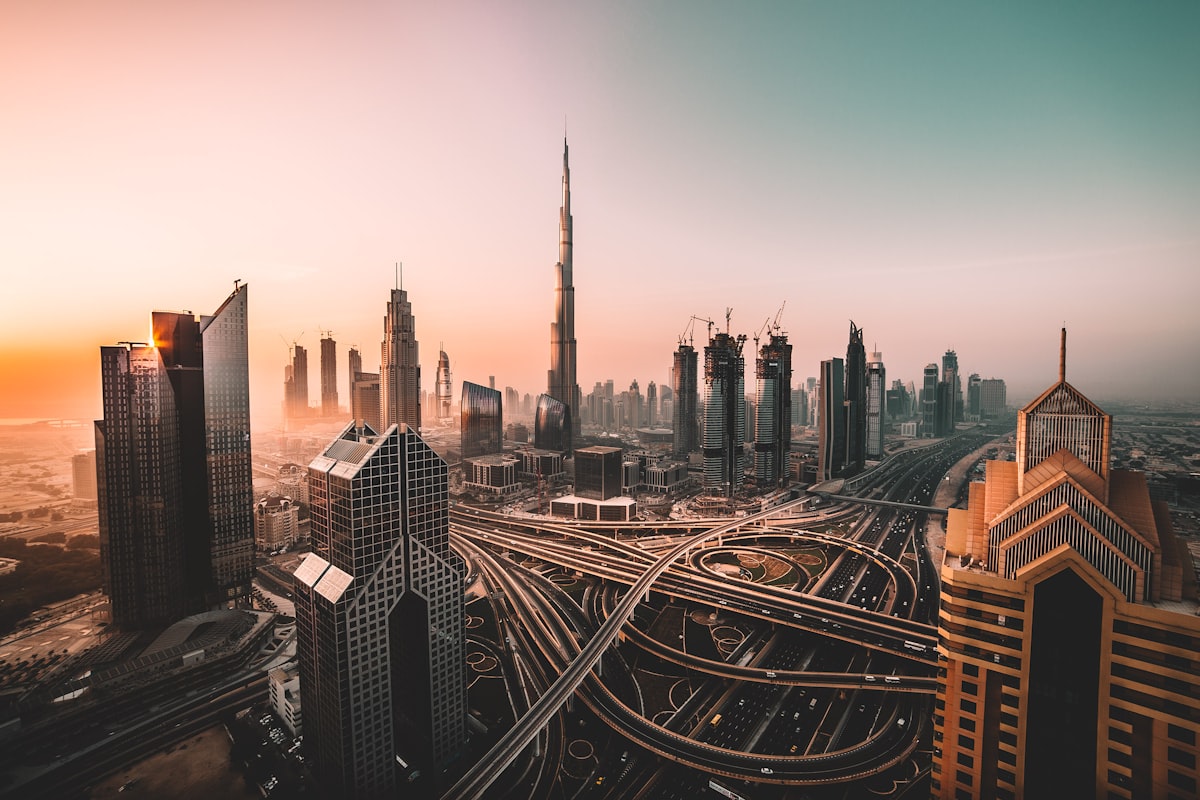
The UAE — and Dubai in particular — has maintained a remarkable track record of political stability even during regional turbulence. Several factors explain why:
- **Strategic neutrality**: The UAE maintains diplomatic relationships with multiple regional and global powers, reducing its exposure to direct conflict spillover.
- **World-class infrastructure**: Dubai International Airport remains one of the world's busiest, with redundant routing capabilities.
- **Diversified tourist base**: The UAE attracts visitors from Asia, Africa, Europe, and the Americas — reducing dependency on any single tourism market.
- **Mega-events and vision projects**: Ongoing development projects, international expos, and sporting events continue to draw global visitors regardless of regional news cycles.
For 2026, projections suggest UAE tourism numbers will remain robust, with South and Southeast Asian tourists, African visitors, and European travelers continuing to dominate arrival statistics.
Job Impact in Tourism and Hospitality
For professionals working in or seeking roles in the tourism and hospitality sector, the picture is cautiously optimistic:
- **Short-term**: Some hiring freezes or slowdowns may occur in hotels dependent on Western tourism or corporate travel budgets.
- **Medium-term**: Recovery tends to be rapid in the UAE, with demand rebounding quickly once geopolitical clarity emerges.
- **Growth areas**: Roles in aviation operations, airport logistics, hotel management, tour coordination, and event hospitality remain in demand.
- **Resilient roles**: Food and beverage, wellness and spa, concierge services, and luxury retail within hospitality environments show consistent demand.
For job seekers, the key is to focus on properties and operators with a diversified guest base — those less reliant on a single origin market.
OPVEXIA Insight
Tourism adapts quickly to global changes. The Middle East has survived and thrived through multiple periods of regional tension. What matters most for professionals in this space is not the headline news, but the underlying demand drivers — and those remain strong in the UAE.
If you are considering a career in hospitality or tourism in the Middle East, do not let temporary turbulence deter you. The fundamentals are solid.
Final Thought
Travel evolves — it does not stop. Conflict changes patterns, not destinations. The UAE's travel and tourism sector remains one of the most dynamic in the world, and the opportunities within it continue to grow. Stay informed, stay flexible, and keep building your career with confidence.